Understanding the Crisis
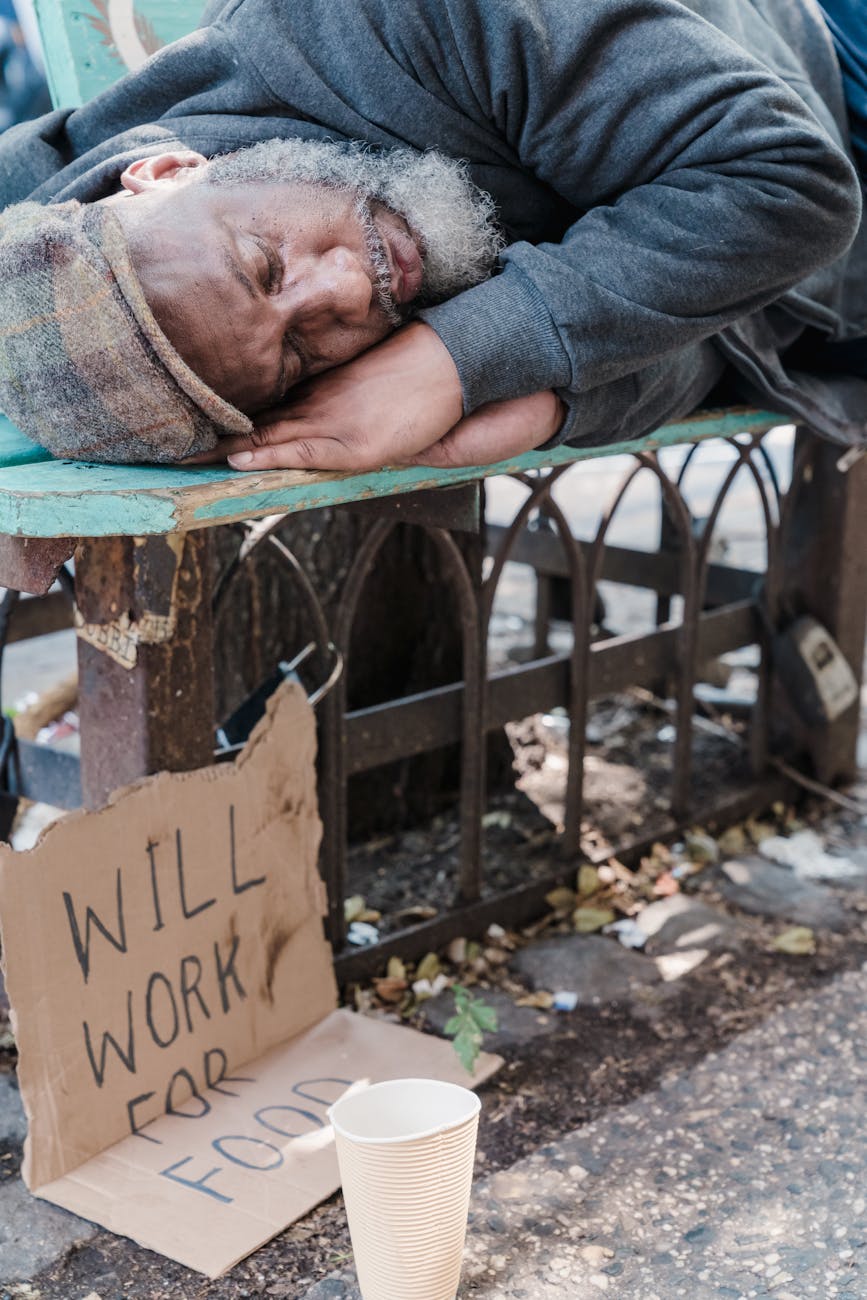
Homelessness and substance use abuse are interwoven issues that present complex challenges for individuals and communities. This perilous combination is often a vicious cycle where one problem exacerbates the other, leading to severe consequences on physical and mental health, social stability, and economic sustainability.
Homelessness: An Overview
Homelessness is a state where individuals lack stable, permanent, and adequate housing. People experiencing homelessness face a multitude of challenges, including exposure to harsh environmental conditions, limited access to healthcare, and social marginalization. The causes of homelessness are multifaceted, involving factors such as poverty, unemployment, domestic violence, mental health disorders, and lack of affordable housing.
Types of Homelessness
- Chronic Homelessness: Long-term or repeated episodes of homelessness, often featuring a disability.
- Transitional Homelessness: Temporary state often caused by a sudden life change, such as job loss or family crisis.
- Episodic Homelessness: Frequent but short-term instances of homelessness, often linked to unstable living conditions or mental health issues.
Substance Use Abuse: An Overview
Substance use abuse involves the harmful or hazardous use of psychoactive substances, including alcohol and illicit drugs. It affects the brain’s functioning and can lead to addiction, a chronic, relapsing disorder characterized by compulsive drug seeking and use despite harmful consequences. Substance use abuse has profound implications on an individual’s health, wellbeing, and social functioning.
Types of Substances Commonly Abused
- Alcohol: Widely used and socially accepted, but can lead to severe addiction and health problems.
- Opioids: Including prescription pain relievers and heroin, known for their high addiction potential.
- Stimulants: Such as cocaine and methamphetamine, which increase alertness but can cause severe mental and physical health issues.
- Depressants: Including benzodiazepines, which can lead to dependency and overdose when abused.
- Hallucinogens: Such as LSD and PCP, which alter perception and can lead to dangerous behaviors.
The Interrelation of Homelessness and Substance Use Abuse
Homelessness and substance use abuse are deeply interconnected. Substance use can be both a cause and consequence of homelessness. Many individuals may turn to drugs or alcohol as a coping mechanism to deal with the stress, trauma, and isolation associated with homelessness. Conversely, substance use can lead to behaviors that result in loss of housing, employment, and social support, further entrenching individuals in homelessness.
Impact on Mental Health
The combination of homelessness and substance use abuse has devastating effects on mental health. Homeless individuals with substance use disorders often experience higher rates of mental health conditions such as depression, anxiety, schizophrenia, and post-traumatic stress disorder (PTSD). The lack of stable housing and the chaotic lifestyle associated with substance use make it difficult to access mental health services and maintain treatment regimens.
Impact on Physical Health
Substance use abuse and homelessness severely impact physical health. Homeless individuals are at a higher risk of infectious diseases, malnutrition, and injuries. Substance use exacerbates these risks, leading to conditions such as liver disease, heart problems, respiratory issues, and overdose. The lack of regular healthcare and poor living conditions further compound these health problems.
Social and Economic Impact
The dual challenges of homelessness and substance use abuse have significant social and economic implications. They contribute to increased crime rates, strain on public health systems, and loss of productivity. Communities often face higher costs associated with emergency medical services, law enforcement, and social services. The stigma associated with both homelessness and substance use can lead to social isolation and discrimination, making recovery and reintegration into society more difficult.
Addressing the Crisis
Effective interventions require a comprehensive approach that addresses both homelessness and substance use abuse concurrently. Key strategies include:
Affordable Housing
Providing stable and affordable housing is crucial in breaking the cycle of homelessness and substance use. Housing First initiatives, which offer housing without preconditions, have shown success in improving stability and reducing substance use.
Integrated Treatment Programs
Programs that offer integrated treatment for substance use disorders and mental health conditions are essential. These programs should be accessible, culturally sensitive, and tailored to the unique needs of homeless individuals.
Preventive Measures
Preventing homelessness and substance use abuse requires addressing underlying factors such as poverty, unemployment, and domestic violence. Early intervention and support services can help individuals at risk avoid falling into these crises.
Community Support
Community-based approaches that foster support networks and promote social inclusion are vital. Peer support, outreach services, and community engagement can help build trust and provide the necessary resources for recovery.
Conclusion
Homelessness and substance use abuse are a dangerous combination that requires urgent attention and action. By understanding the complexities and interrelations of these issues, we can develop effective strategies to support individuals in overcoming these challenges and pave the way for healthier, more stable communities. Through collaborative efforts and compassionate approaches, it is possible to address the root causes, provide meaningful support, and ultimately break the cycle of homelessness and substance use abuse.
 Footsteps To Freedom
Leave a comment