Finding Strength in Adversity

Betrayal by those we hold dear can feel like a piercing wound to the soul. The impact of broken trust, deceit, or disrespect can ripple through every aspect of life, leaving emotional scars that are difficult to heal. However, even amidst the pain of betrayal, we find opportunities for growth, clarity, and the chance to safeguard our mental health.
Understanding the Impact of Betrayal
Betrayal can come in many forms: dishonesty, manipulation, infidelity, or abandonment. The emotional consequences of such actions often manifest as feelings of rejection, anger, sadness, or confusion. Prolonged exposure to betrayal, especially when it involves close relationships, can erode self-esteem, foster distrust, and even lead to anxiety or depression.
Living in a situation where deceit is a constant presence can also trap individuals in a cycle of denial. This can compel a person to overlook or justify harmful behavior in the name of love or loyalty. Yet, this pattern only deepens the emotional toll, creating an environment of chronic disrespect and damage to mental well-being.
Recognizing the Need for Change
When betrayal becomes a recurring theme in relationships, it is crucial to pause and reflect on the decisions necessary to protect yourself. This begins with recognizing the reality of the situation and confronting the truth about the people involved.
Face Reality Without Illusions
It can be painful to acknowledge that someone close to you does not have your best interests at heart. Love and attachment often cloud judgment, causing us to cling to the hope that they will change. However, holding onto illusions can prolong suffering and hinder personal growth. Accepting people for who they truly are—their actions, intentions, and priorities—is vital for moving forward.
Assess the Relationship’s Value
Ask yourself whether the relationship enhances or diminishes your life. Are you consistently being supported, respected, and valued? If the answer is no, it may be time to reconsider the role this person plays in your life. Relationships should be built on mutual respect and trust, not deceit or disregard.
Define Your Boundaries
Boundaries are essential for emotional health. They allow us to protect ourselves from harm while setting clear expectations for how we should be treated. When betrayal occurs, establishing firm boundaries can help prevent further damage and give you space to heal. Communicate your limits clearly and stand by them, even if others push against them.
Making Decisions for Self-Preservation
When betrayal becomes a pattern, difficult choices may need to be made to prioritize your mental health and emotional well-being.
Choose Honesty Over Denial
Living a lie—or pretending that everything is fine—only prolongs the impact of betrayal. Facing the truth is empowering, even if it is painful. It allows you to make informed decisions rather than staying stuck in a cycle of deceit.
Distance Yourself When Necessary
Sometimes, the healthiest option is to step away from relationships that are marred by betrayal. This does not necessarily mean cutting ties permanently, but it does mean creating distance until the dynamic changes or until you feel emotionally safe.
Embrace Support Systems
Surround yourself with people who genuinely care about you and uplift you. Friends, family, or therapists can provide invaluable help during moments of heartbreak. Their support can remind you of your worth and help you rebuild confidence.
Reclaiming Your Identity and Mental Health
Betrayal can make us question ourselves and our capacity to trust others. It can lead to self-doubt and feelings of inadequacy. However, recovery from betrayal is also an opportunity to rediscover your strength and resilience.
Invest in Self-Care
Prioritize activities that nurture your physical, mental, and emotional health. Whether it’s practicing mindfulness, exercising, or pursuing hobbies, self-care can help reduce stress and build a sense of empowerment.
Focus on Personal Growth
Use this challenging experience to learn more about yourself. Reflect on your values, goals, and the type of relationships that truly bring you joy. Growth often occurs in the wake of adversity, and betrayal can be a catalyst for change.
Build Trust Gradually
It’s normal to feel hesitant about trusting others after being hurt. Take your time to rebuild trust, both in yourself and in others. Look for relationships where actions align with words, and where mutual respect is evident.
Conclusion
Betrayal can feel like a shattering blow, but it does not have to define your future. By acknowledging the reality of your situation, setting boundaries, and prioritizing your mental health, you can move beyond the pain and create a life centered on respect, honesty, and self-worth. Loving others is important, but loving yourself is essential. When others fail to meet the standards of care and respect you deserve, it is up to you to make decisions in favor of your own well-being. Each step forward—no matter how small—is a testament to your resilience and determination to live authentically and with purpose.
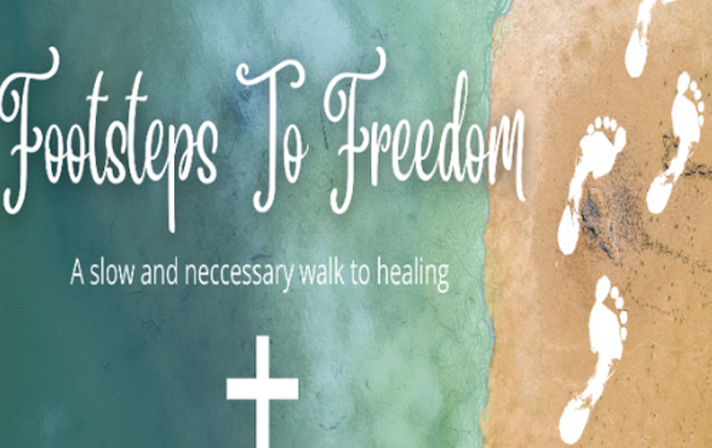
 Footsteps To Freedom
Leave a comment