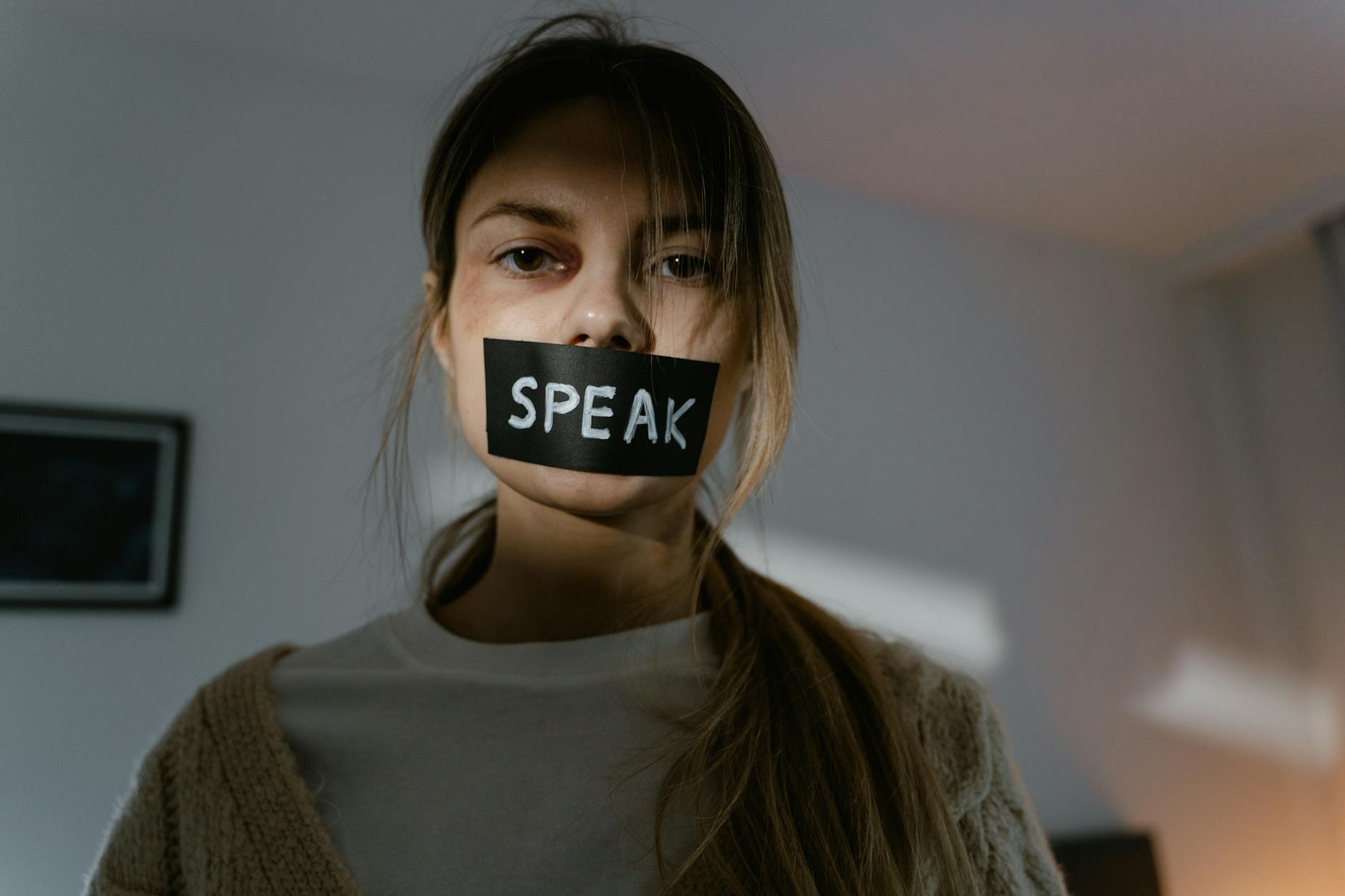
Intimate partner violence (IPV) is a harrowing reality for many women around the world. Despite the dangers and emotional toll, many women remain in these abusive relationships. From an outside perspective, it might be hard to understand why someone would stay in such a harmful situation. However, the reasons are complex and multifaceted, involving psychological, social, economic, and cultural factors. Understanding these reasons is crucial in offering support, compassion, and resources to help women find their way to safety and freedom.
1. Psychological Manipulation and Control
One of the most insidious aspects of intimate partner violence is the psychological manipulation that often accompanies it. Abusers frequently use tactics like gaslighting, emotional abuse, and coercive control to undermine a woman’s sense of self-worth and reality.
- Gaslighting: This tactic involves the abuser manipulating the woman into doubting her own perceptions, memories, and sanity. Over time, she may begin to question her judgment, making it harder to trust her instincts about the abuse.
- Coercive Control: Abusers often exert control over various aspects of a woman’s life, including her finances, social interactions, and personal freedom. This control creates a sense of dependency and helplessness, making it feel impossible to leave the relationship.
- Trauma Bonding: In abusive relationships, the cycle of violence—where periods of abuse are followed by remorse, affection, or apologies from the abuser—can create a powerful emotional bond. This trauma bonding can make the victim feel trapped in the relationship, as the moments of perceived love or kindness can be intensely comforting after abuse.
2. Fear of Escalation
For many women, the fear of what might happen if they try to leave is a significant barrier. Abusers often threaten further violence, harm to loved ones, or even death if the woman attempts to escape.
- Threats of Violence: Abusers may threaten to harm or kill the woman, her children, or even pets if she tries to leave. These threats can be terrifying and are often credible, especially if the abuser has a history of violence.
- Fear of Losing Custody: Many women fear that leaving the abuser could lead to a custody battle, where the abuser might gain access to the children. The legal system can sometimes be manipulated by abusers, making this fear a significant deterrent.
- Isolation: Abusers often isolate their victims from friends, family, and support networks. Without a safe place to go or people to turn to, the prospect of leaving can seem impossible.
3. Economic Dependence
Economic dependence is a critical factor that keeps many women trapped in abusive relationships. Financial control is a common tactic used by abusers to ensure that their partners remain reliant on them.
- Financial Control: Abusers may prevent women from working, control their access to money, or sabotage their efforts to gain financial independence. This creates a situation where the woman has no resources to support herself or her children if she leaves.
- Lack of Resources: Even if a woman wants to leave, she may not have the financial means to do so. Without money, housing, or the ability to provide for her children, the idea of leaving can feel unmanageable.
- Economic Abuse: Beyond direct control of finances, abusers may also engage in economic abuse by ruining a woman’s credit, refusing to pay bills, or stealing her money. This financial sabotage leaves many women feeling trapped with no way out.
4. Cultural and Social Factors
Cultural and social norms can play a significant role in why women stay in abusive relationships. In some communities, there may be strong pressure to stay in a marriage or partnership, regardless of the circumstances.
- Cultural Expectations: In some cultures, there is a stigma associated with divorce or leaving a partner, especially for women. The fear of being ostracized by family or community can make it incredibly difficult to leave.
- Religious Beliefs: Some women may stay in abusive relationships due to religious beliefs that discourage divorce or emphasize the importance of enduring hardship. This can be compounded by religious leaders who may counsel women to stay and “work it out” rather than leave.
- Shame and Stigma: The shame associated with being in an abusive relationship can be overwhelming. Women may fear judgment from others or feel embarrassed about their situation, which can prevent them from seeking help.
5. Hope for Change
Many women stay in abusive relationships because they hope their partner will change. Abusers often promise to change, especially after an incident of violence, and these promises can be compelling.
- The Cycle of Abuse: After an abusive episode, there may be a period of calm, where the abuser apologizes, shows remorse, and promises it will never happen again. This cycle of abuse can create a false sense of hope that things will improve.
- Love and Attachment: Despite the abuse, many women still love their partners and want the relationship to succeed. They may remember the good times or believe that if they can just be better or do something differently, the abuse will stop.
- Desire to Keep the Family Together: Many women, especially those with children, may stay in abusive relationships out of a desire to keep the family together. They may worry about the impact of a breakup on their children and hope that staying will be better for the family.
Conclusion: Breaking Free from the Cycle of Abuse
Understanding why women stay in intimate partner violent relationships is crucial for offering the right support and resources. It’s important to approach this issue with empathy, recognizing that the decision to stay or leave is deeply personal and influenced by a range of complex factors.
For those in abusive relationships, the path to freedom often requires support from loved ones, access to resources, and sometimes professional help. If you or someone you know is in an abusive relationship, know that there are resources and people who can help. Breaking free from the cycle of abuse is not easy, but it is possible. With the right support, women can find their way to safety, healing, and a life free from violence.
 Footsteps To Freedom
Leave a comment