“It is common to hold on to past mistakes that we feel are not forgivable out of fear of forgetting the hurt and repeating the behavior. So, we torture ourselves by replaying the feelings, punishment, or guilt repeatedly. Staying in this cycle keeps us stuck. It is impossible to profoundly move through the stages of healing while holding onto the notion that we are unforgivable. At some point we must acknowledge that the past is in the past. We typically manage situations with the current set of tools we have. At some point in our life, maybe when we did not have the right tools, we became accustomed to the wrong tools and, as a result, we may have acted in ways we wish we had not. That is ok! We have new tools now, new values, new morals, which means new opportunities to respond and live out relationships as we truly desire.” Helpline. Com
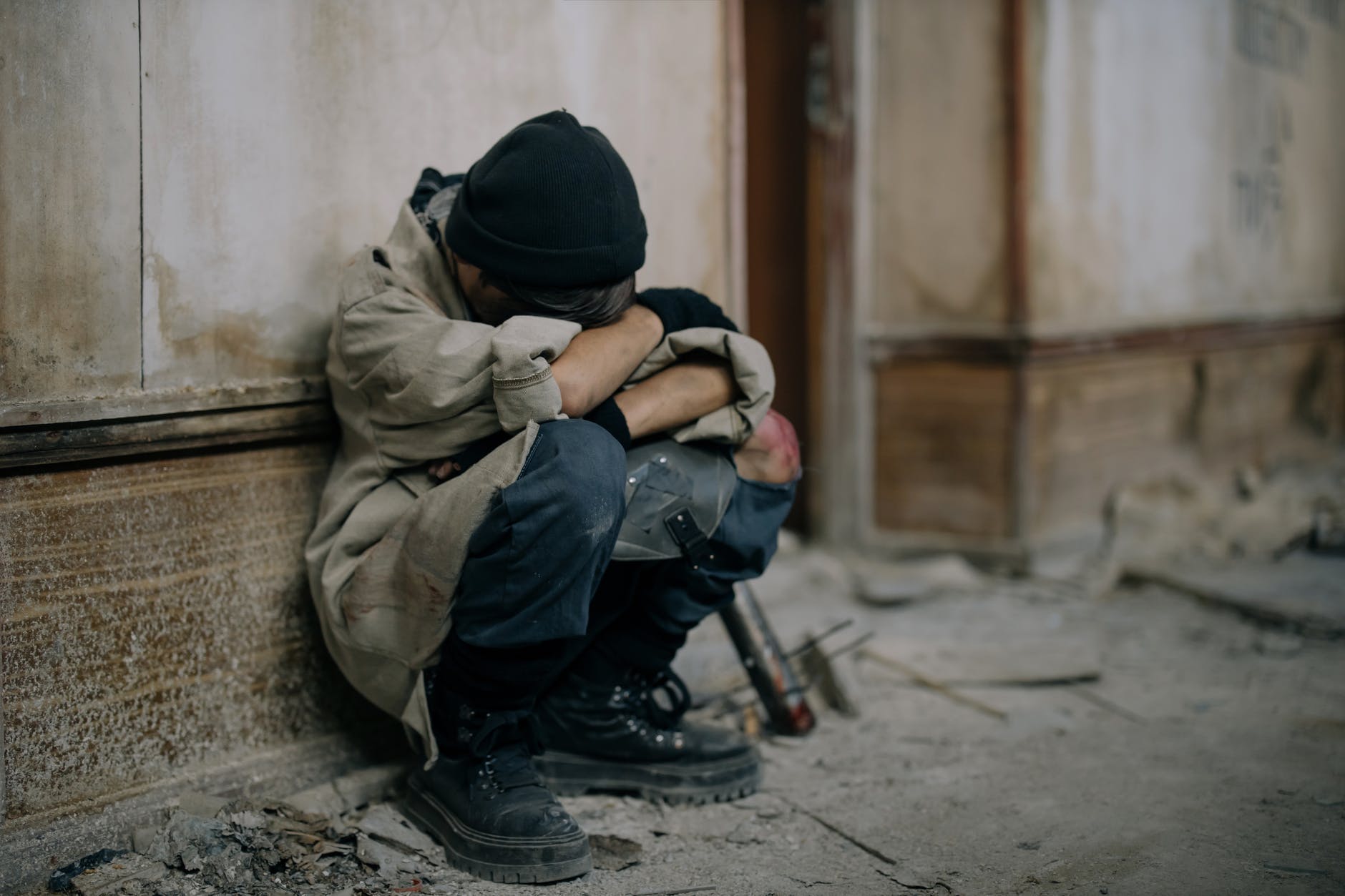
As I read the above article, I felt relieved. You see, it was extremely hard for me to forgive myself and not doing so caused me to repeat the same mistakes over again. That is the danger of unforgiveness. We do not allow ourselves to forgive for two reasons. Fear of forgetting the pain and “reliving the event again”. And staying stuck in unforgiveness. It was not until I found my faith did, I realize how important forgiveness was. But before then, I held on to unforgiveness. I even sat down nights planning my revenge on those who hurt and betrayed me. They deserved it!
When I think about all the time wasted on those negative emotions, I cringe. Life is short and fleeting. I started to understand that holding on to unforgiveness gave people my power. I had to find “new tools” to work towards forgiveness. I picked up my bible one day. I wanted to understand how important it was to forgive and what my faith felt about forgiveness.
In the very first book of the New Testament in the Bible, the Gospel of Matthew, chapter 18, Jesus tells a parable about a man who refuses to forgive someone even after he is forgiven. And Jesus describes the consequences of that unforgiveness as being like torture.
“Unforgiveness makes us feel angry, cold, hard, bitter, and resentful. The impact of unforgiveness can be physical, emotional, mental, and spiritual. Yes, you may feel justified in your anger, yet you must choose what you desire – your anger or freedom from anger. When we do not forgive, we are deciding to hold onto the offense. We focus on our pain and choose to relive the moment that offended us whenever the offender comes nearby.”
That my friend is not living. That is allowing all your pain to control you. I know it is not easy to forgive someone who had betrayed or hurt you. But holding on to unforgiveness hurts you more than the offender.
I often get into heated discussion with my husband. It is hard for him to understand my views on certain things that he says and does. It is hard to express things to someone when there is no room for compromise and our discussions get heated. This is not good for the relationship because words can hurt. Hours later when one person thinks the discussion is over, they return to a calmer self but one of us is still upset and not willing to “forgive” the offense. But we must. We must retreat, pray, and understand how unforgiveness can destroy the foundation of our lives. We must keep ourselves in check and not allow the anger of the situation cause underlying unforgiveness. We cannot just apologize; we have to change the behavior so the apology is solid.
It takes work. All healing takes work. Learning to forgive is a healing process. Take the time, learn “new tools, new morals and new values”. Jesus forgave us..
 Footsteps To Freedom
Leave a comment